
Our History
Our History
A Deep-Rooted
American Story
A Deep-Rooted
American Story
The legacy of our brands and our genuine witch hazel are foundational to our country, and even predate its founding. Explore a selection of our most historic moments below:
The legacy of our brands and our genuine witch hazel are foundational to our country, and even predate its founding. Explore a selection of our most historic moments below:
Pre-Colonial
Period
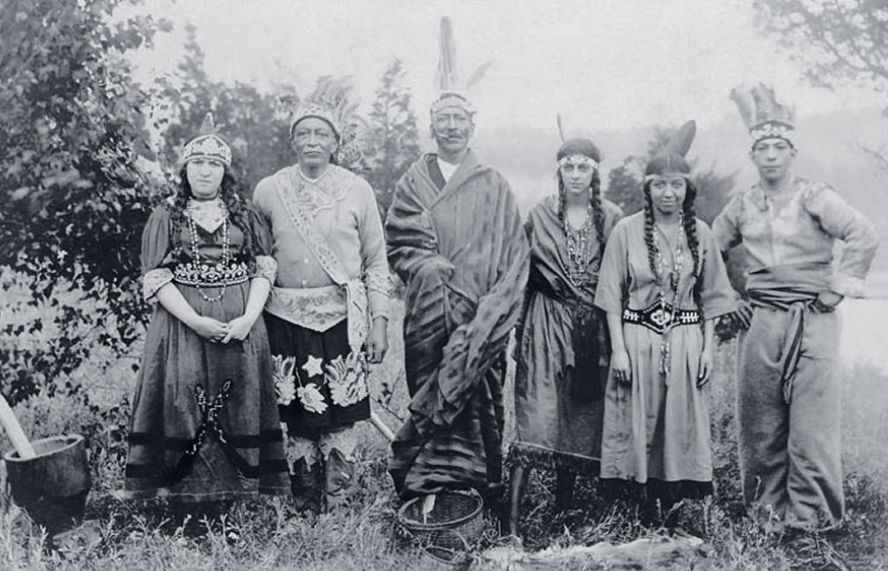
Witch hazel (Hamamelis virginiana) was used for many medicinal purposes by indigenous people, including the Mohegan tribe in Connecticut, likely for centuries. Because it blooms in the winter, some even believed it had magical properties.
Pre-Colonial
Period
Witch hazel (Hamamelis virginiana) was used for many medicinal purposes by indigenous people, including the Mohegan tribe in Connecticut, likely for centuries. Because it blooms in the winter, some even believed it had magical properties.
Witch hazel (Hamamelis virginiana) was used for many medicinal purposes by indigenous people, including the Mohegan tribe in Connecticut, likely for centuries. Because it blooms in the winter, some even believed it had magical properties.
1600’s-1800’s
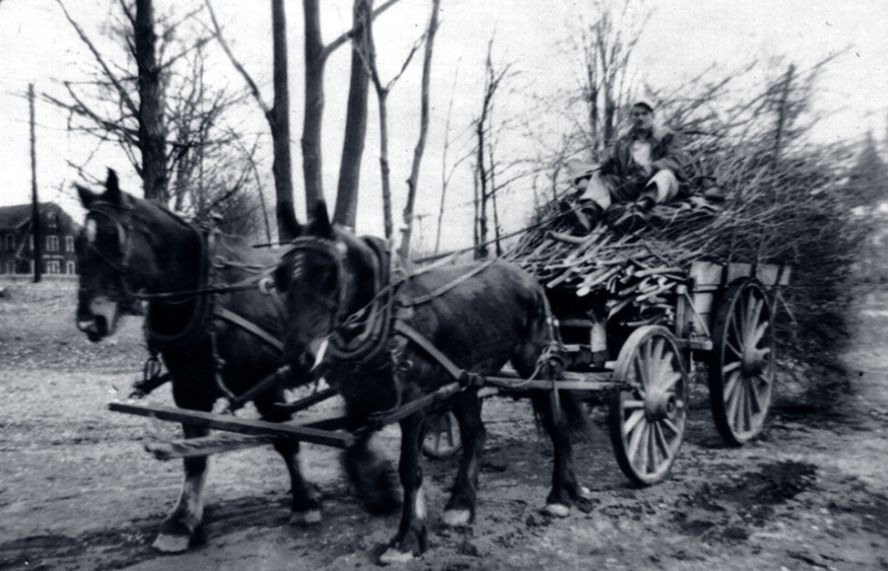
Colonial settlers and early Americans commonly sought out witch hazel as a cure-all for many ailments. As a tea, salve, or liquid extract, it was a remedy for sore throats and colds, soothing sores and scratches, and digestive issues.
1600’s-1800’s
Colonial settlers and early Americans commonly sought out witch hazel as a cure-all for many ailments. As a tea, salve, or liquid extract, it was a remedy for sore throats and colds, soothing sores and scratches, and digestive issues.
Colonial settlers and early Americans commonly sought out witch hazel as a cure-all for many ailments. As a tea, salve, or liquid extract, it was a remedy for sore throats and colds, soothing sores and scratches, and digestive issues.
1866
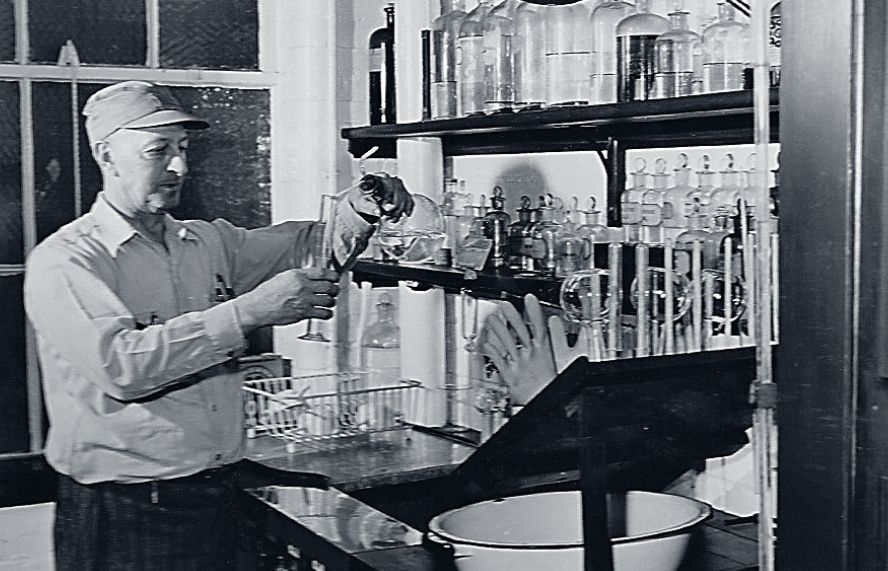
Our proprietary formula was first commercialized in 1866 by Reverend Thomas Newton Dickinson (T.N. Dickinson). Dickinson built the first witch hazel factory and sold the first witch hazel products in Essex, Connecticut, in the center of town.
1866
Our proprietary formula was first commercialized in 1866 by Reverend Thomas Newton Dickinson (T.N. Dickinson). Dickinson built the first witch hazel factory and sold the first witch hazel products in Essex, Connecticut, in the center of town.
Our proprietary formula was first commercialized in 1866 by Reverend Thomas Newton Dickinson (T.N. Dickinson). Dickinson built the first witch hazel factory and sold the first witch hazel products in Essex, Connecticut, in the center of town.
1900
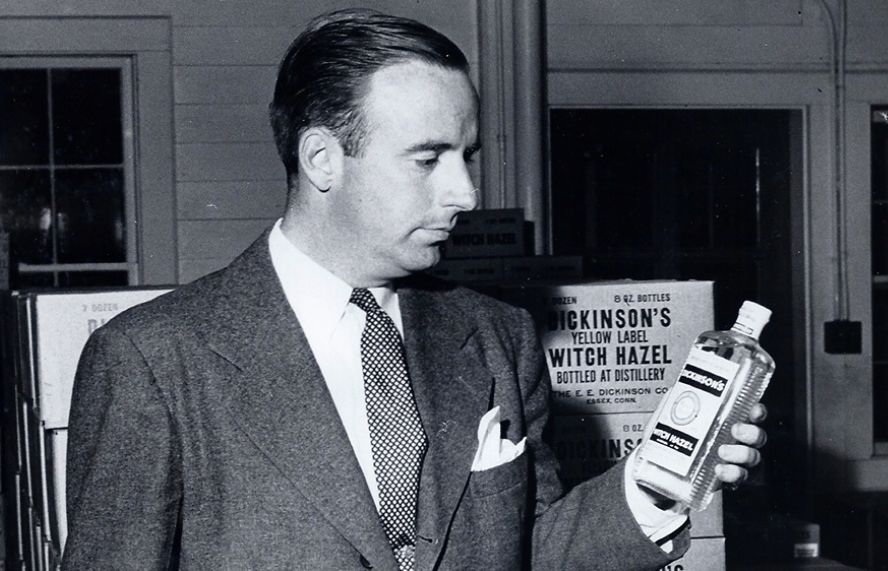
Upon Reverend T.N. Dickinson’s death in 1900, he left his witch hazel company to his two sons, E.E. Dickinson and T.N. Jr. After a disagreement stemming from diverging opinions about their father’s company, the brothers decided to split the business. E.E.’s new business would lean toward skincare applications, which mirrors the current Dickinson’s Witch Hazel brand. (source) T.N. Jr. would focus on the medical treatment uses of witch hazel, such as soothing cuts, scrapes, and after-shave relief. His business resembles the modern T.N. Dickinson’s brand.
1900
Upon Reverend T.N. Dickinson’s death in 1900, he left his witch hazel company to his two sons, E.E. Dickinson and T.N. Jr. After a disagreement stemming from diverging opinions about their father’s company, the brothers decided to split the business. E.E.’s new business would lean toward skincare applications, which mirrors the current Dickinson’s Witch Hazel brand. (source) T.N. Jr. would focus on the medical treatment uses of witch hazel, such as soothing cuts, scrapes, and after-shave relief. His business resembles the modern T.N. Dickinson’s brand.
Upon Reverend T.N. Dickinson’s death in 1900, he left his witch hazel company to his two sons, E.E. Dickinson and T.N. Jr. After a disagreement stemming from diverging opinions about their father’s company, the brothers decided to split the business. E.E.’s new business would lean toward skincare applications, which mirrors the current Dickinson’s Witch Hazel brand. (source) T.N. Jr. would focus on the medical treatment uses of witch hazel, such as soothing cuts, scrapes, and after-shave relief. His business resembles the modern T.N. Dickinson’s brand.
1970-1980
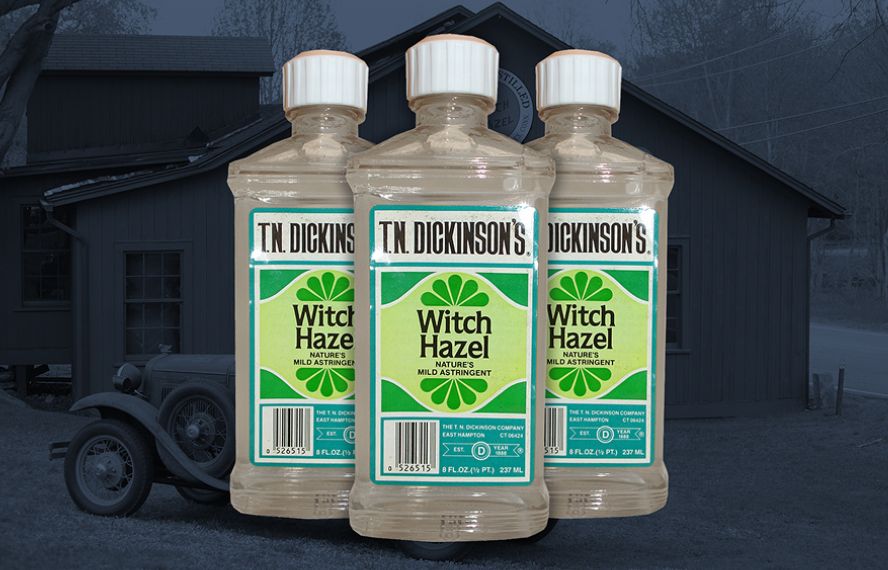
The Jackowitz family purchased T.N. Jr’s side of the business in 1973. Throughout the 1970s and 1980s, the family worked closely with the United States Pharmacopeia (USP) and the FDA to help define the drug monograph standards for what genuine witch hazel is and its uses. Also, the fully automated, proprietary process that yields the genuine witch hazel we use in all our products was designed and built by Ed Jackowitz in this era and continues to be perfected to this day.
The Jackowitz family purchased T.N. Jr’s side of the business in 1973. Throughout the 1970s and 1980s, the family worked closely with the United States Pharmacopeia (USP) and the FDA to help define the drug monograph standards for what genuine witch hazel is and its uses. Also, the fully automated, proprietary process that yields the genuine witch hazel we use in all our products was designed and built by Ed Jackowitz in this era and continues to be perfected to this day.
1997
In 1997, the Jackowitz family purchased E.E. Dickinson’s business, merging the two into the modern-day Dickinson Brands, Inc. This consolidation brought the two largest witch hazel businesses together under one roof, aligning the industry on modern witch hazel manufacturing and regulatory standards for quality.
1997
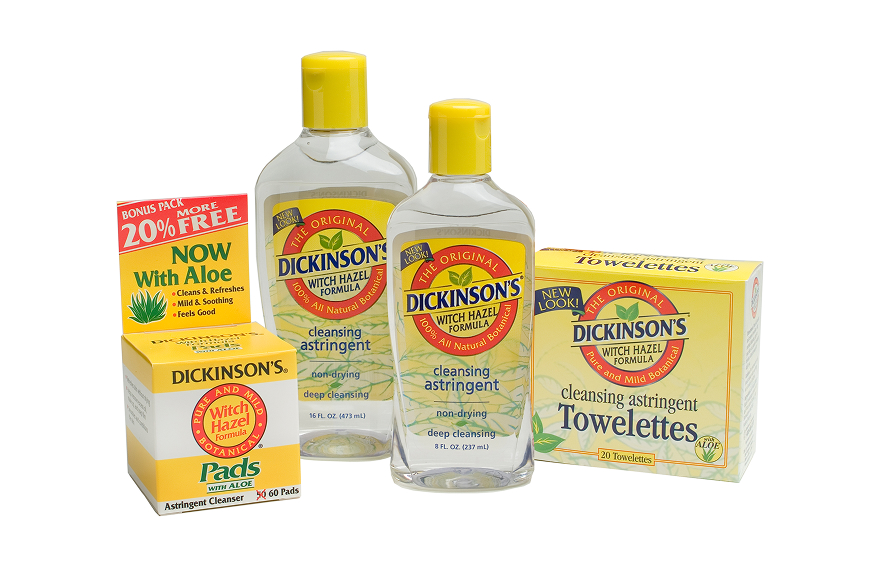
In 1997, the Jackowitz family purchased E.E. Dickinson’s business, merging the two into the modern-day Dickinson Brands, Inc. This consolidation brought the two largest witch hazel businesses together under one roof, aligning the industry on modern witch hazel manufacturing and regulatory standards for quality.
In 1997, the Jackowitz family purchased E.E. Dickinson’s business, merging the two into the modern-day Dickinson Brands, Inc. This consolidation brought the two largest witch hazel businesses together under one roof, aligning the industry on modern witch hazel manufacturing and regulatory standards for quality.
Late 1990s
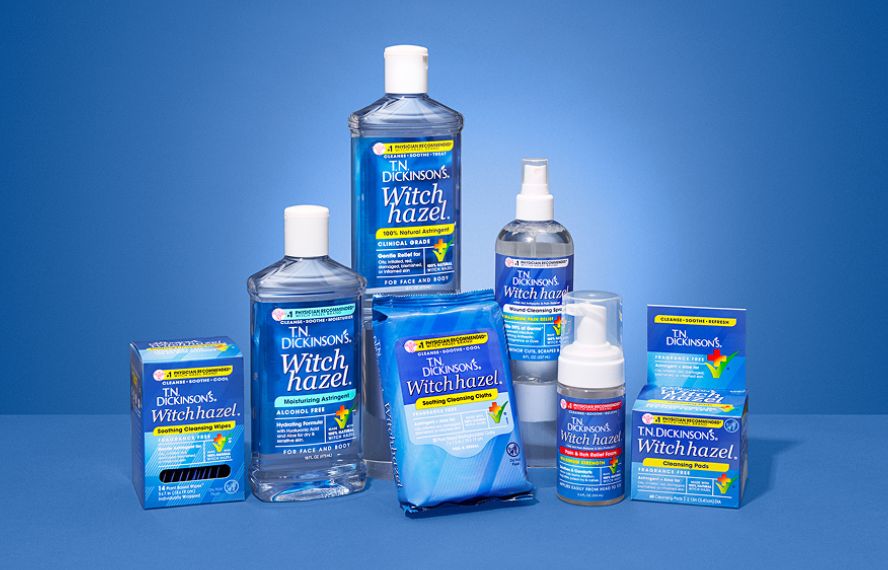
Dickinson Brands, Inc. products gain distribution at Walmart stores. This helps bring their trusted products to an even larger mass market. To this day, products are distributed at most major retail and online stores, including Walmart, Target, and Amazon.
Late 1990s
Dickinson Brands, Inc. products gain distribution at Walmart stores. This helps bring their trusted products to an even larger mass market. To this day, products are distributed at most major retail and online stores, including Walmart, Target, and Amazon.
Dickinson Brands, Inc. products gain distribution at Walmart stores. This helps bring their trusted products to an even larger mass market. To this day, products are distributed at most major retail and online stores, including Walmart, Target, and Amazon.
2001
Humphreys had been manufacturing witch hazel products in Connecticut for many years. After a fire at their factory in the late 1970s, Dickinson Brands partnered with Humphreys, supplying them with witch hazel raw material to package under the Humphreys brand. After the owner, Susan Humphreys DeFlores, passed away in 2001, Dickinson Brands acquired Humphreys Witch Hazel and added this iconic business to our portfolio.
2001
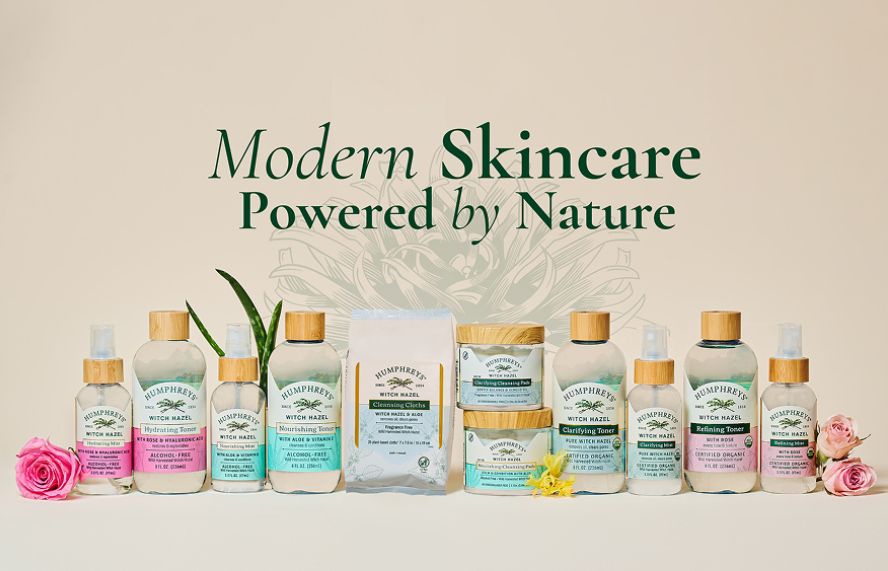
Humphreys had been manufacturing witch hazel products in Connecticut for many years. After a fire at their factory in the late 1970s, Dickinson Brands partnered with Humphreys, supplying them with witch hazel raw material to package under the Humphreys brand. After the owner, Susan Humphreys DeFlores, passed away in 2001, Dickinson Brands acquired Humphreys Witch Hazel and added this iconic business to our portfolio.
Humphreys had been manufacturing witch hazel products in Connecticut for many years. After a fire at their factory in the late 1970s, Dickinson Brands partnered with Humphreys, supplying them with witch hazel raw material to package under the Humphreys brand. After the owner, Susan Humphreys DeFlores, passed away in 2001, Dickinson Brands acquired Humphreys Witch Hazel and added this iconic business to our portfolio.
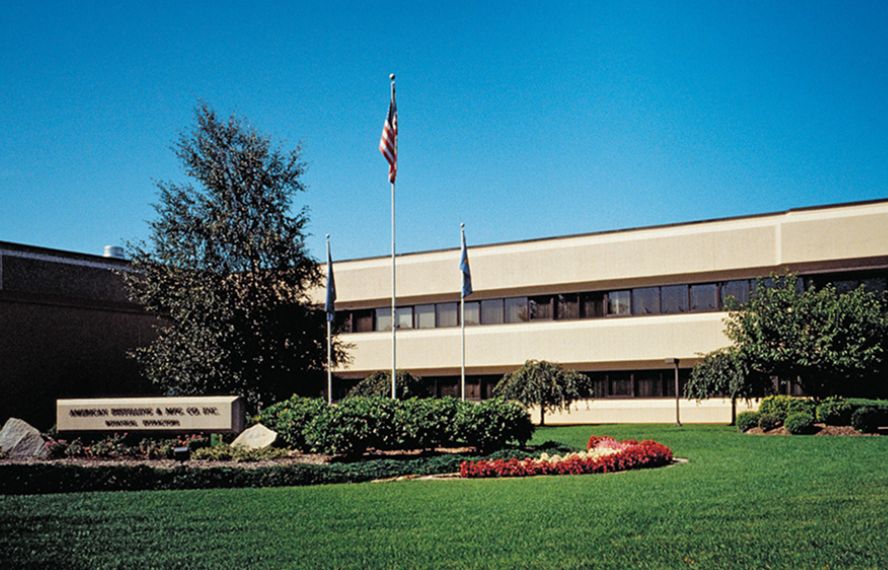
2006 and Beyond
T.N. Dickinson’s, Dickinson’s Skincare, and Humphreys Organic continue to expand both in sales and product offerings. T.N. Dickinson’s has become the “#1 Physician-Recommended Witch Hazel Brand,” while Dickinson’s Pore Perfecting Toner continues to be a top-selling toner. New product offerings further advance our benefits to meet even more consumer needs.
T.N. Dickinson’s, Dickinson’s Skincare, and Humphreys Organic continue to expand both in sales and product offerings. T.N. Dickinson’s has become the “#1 Physician-Recommended Witch Hazel Brand,” while Dickinson’s Pore Perfecting Toner continues to be a top-selling toner. New product offerings further advance our benefits to meet even more consumer needs.